Our Achievements
Keeping our promises -
40 years backing Waikato’s cardiac care
Since its inception, The Heart Trust has played a vital role in transforming cardiac services in the Midland region. Too often, health services recruit specialists on the promise of specialist equipment, and the kit never arrives. The specialist leaves, the services stall and future recruitment becomes harder. For more than 40 years, Waikato Heart Trust has worked alongside Waikato Hospital management to stop that happening. We fund, advocate for and help deliver the equipment clinicians need, so specialists stay, services grow, and patients get the care they deserve.
Over the past 49 years the Trust has invested over $4 million to support cardiac services for the region – principally at Waikato Hospital.
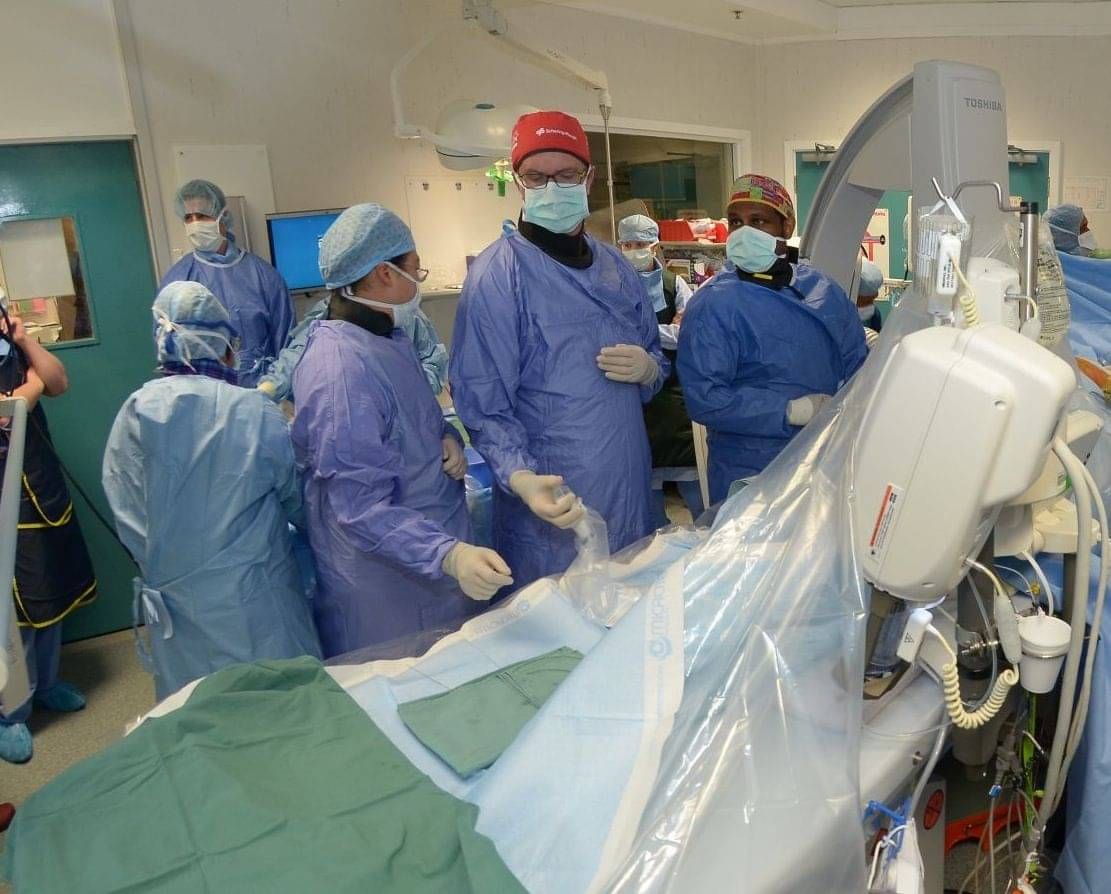
Trans Catheter Aortic Valve Implantation (TAVI)
In 2008, The Heart Trust helped introduce Transcatheter Aortic Valve Implantation (TAVI) to New Zealand, funding a pilot program at Waikato Hospital when no public funding was available. Led by Dr Sanjeevan Pasupati, Waikato performed the country’s first TAVIs, paving the way for all public hospital TAVI programs that followed. This breakthrough has transformed care for patients unsuitable for open-heart surgery and opened the door to other advanced cardiac procedures.

Electrophysiology and Ablation
Since 1980, The Heart Trust has sponsored cutting-edge Electrophysiology equipment at Waikato Hospital, enabling world-first procedures and the recruitment of leading specialists. With support from the Trust, Prof Martin Stiles has built Waikato into one of New Zealand’s top centres for Electrophysiology, Ablation, and Pacing, giving Midland patients access to world-class care for heart rhythm problems.
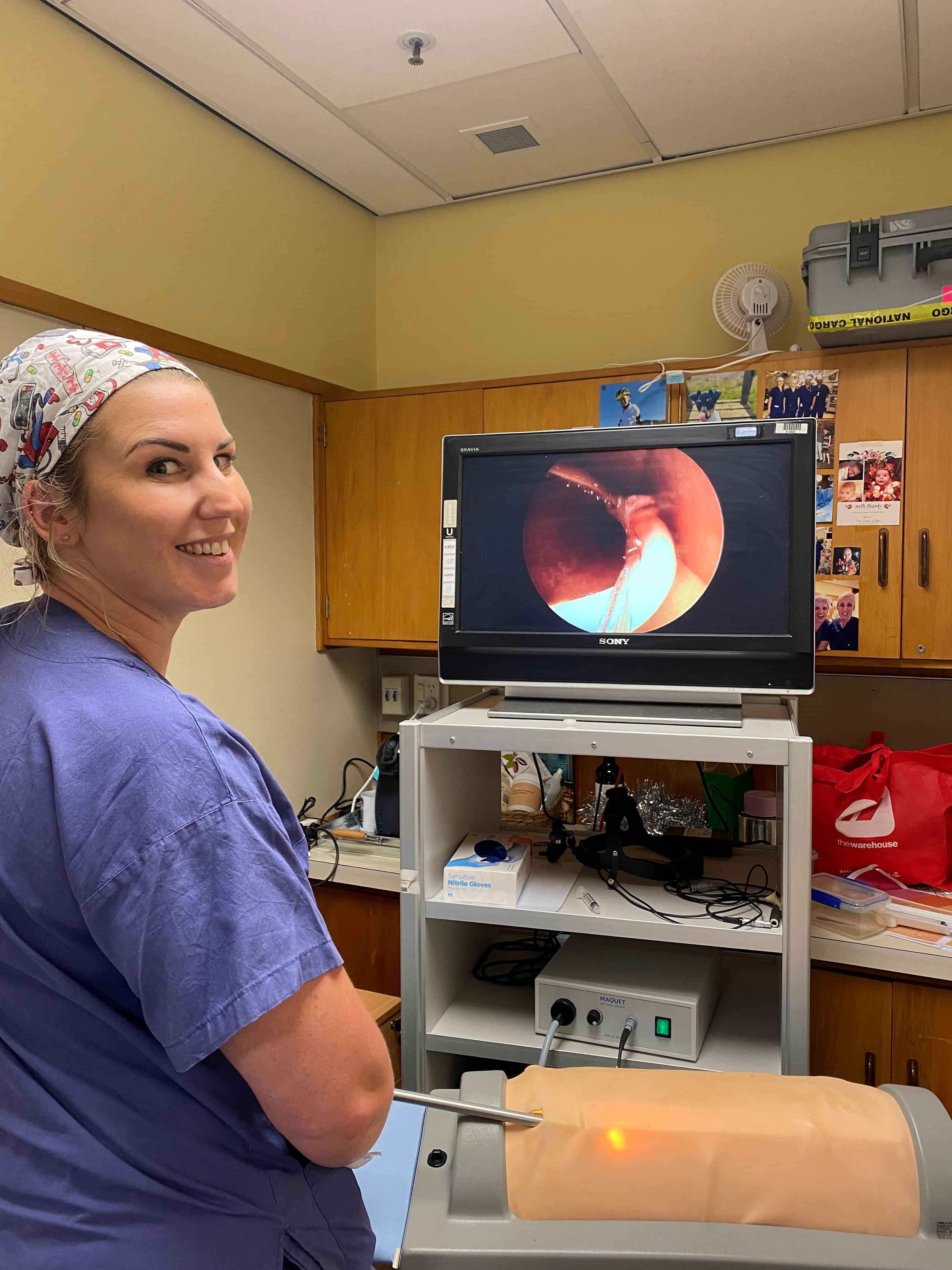
Nurse Led Endoscopic Vein Harvesting
Coronary artery bypass surgery involves using an artery from behind the breastbone or arm, and often some vein from the leg as well. Surprisingly, it is the long incisions on the leg that cause patients more bother than the big chest wound.
In November 2023, The Heart Trust sponsored two nurses from Waikato Hospital to travel to Australia to learn a “keyhole” technique for harvesting leg veins for bypass surgery. The service was established in May 2024 and has treated over 250 patients.
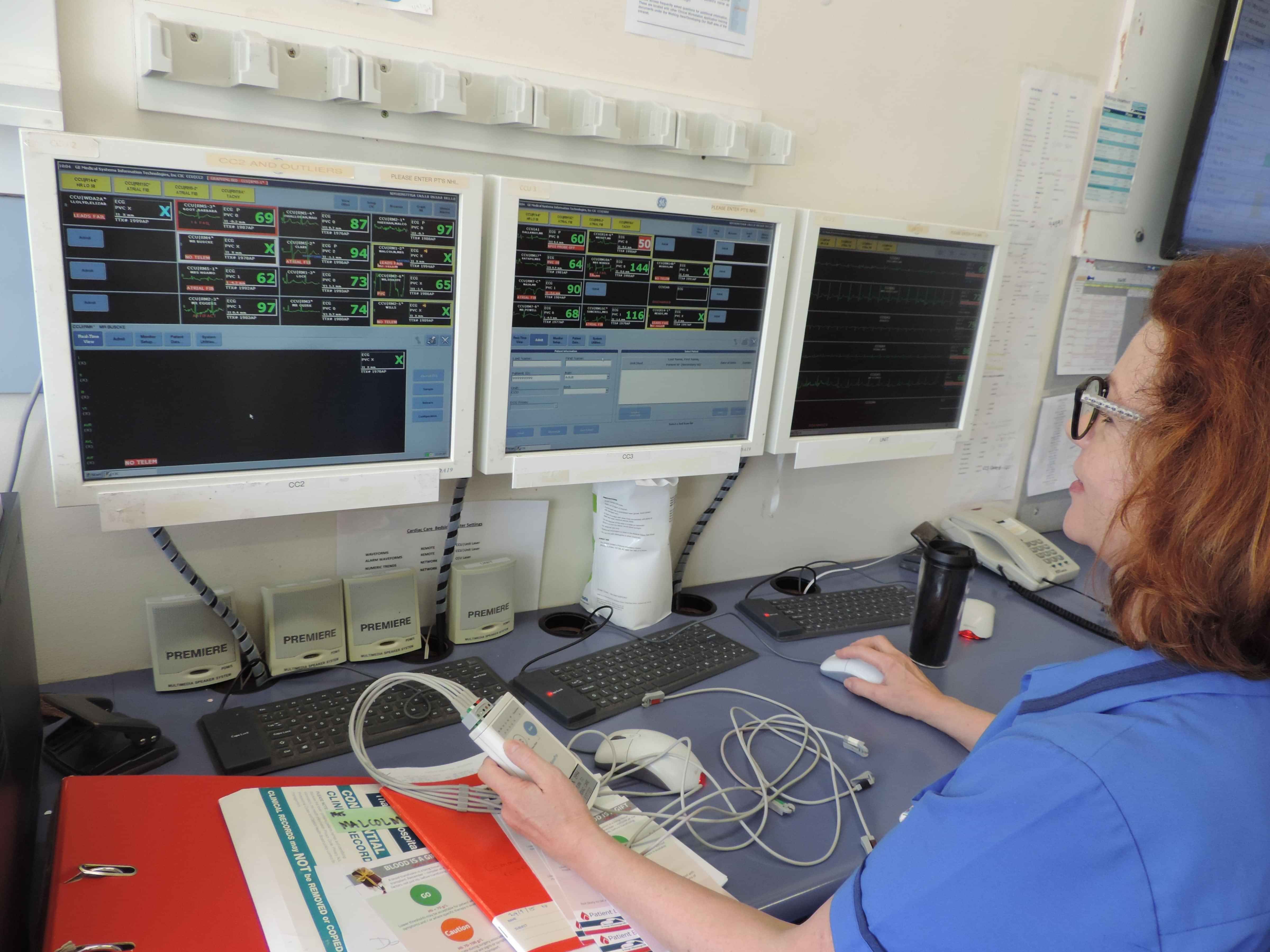
Ambulatory Monitoring
The Heart Trust’s very first purchase in 1979 was a Holter Monitor system, allowing heart rhythm problems to be diagnosed while patients were at home or going about their daily lives. The Trust’s next initiative was a life-saving telemetry system that let CCU nurses monitor patients in many parts of the hospital in real time. Since then, the Trust has funded successive upgrades, helping to save countless lives every year.
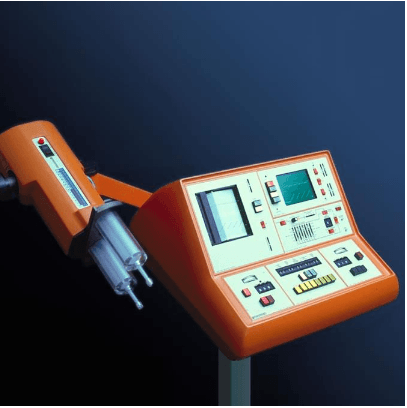
Injector for Cardiac Catheter Laboratory
When the lab was moved from Level 4, Waiora Waikato building, to Level 2 in 1984, the planners had neglected to budget for an injector for X Ray contrast (“Dye”) to be used during cardiac catheter procedures. The Heart Trust came to the rescue with ($25k). This equipment was used several hundred times a year for over 14 years!
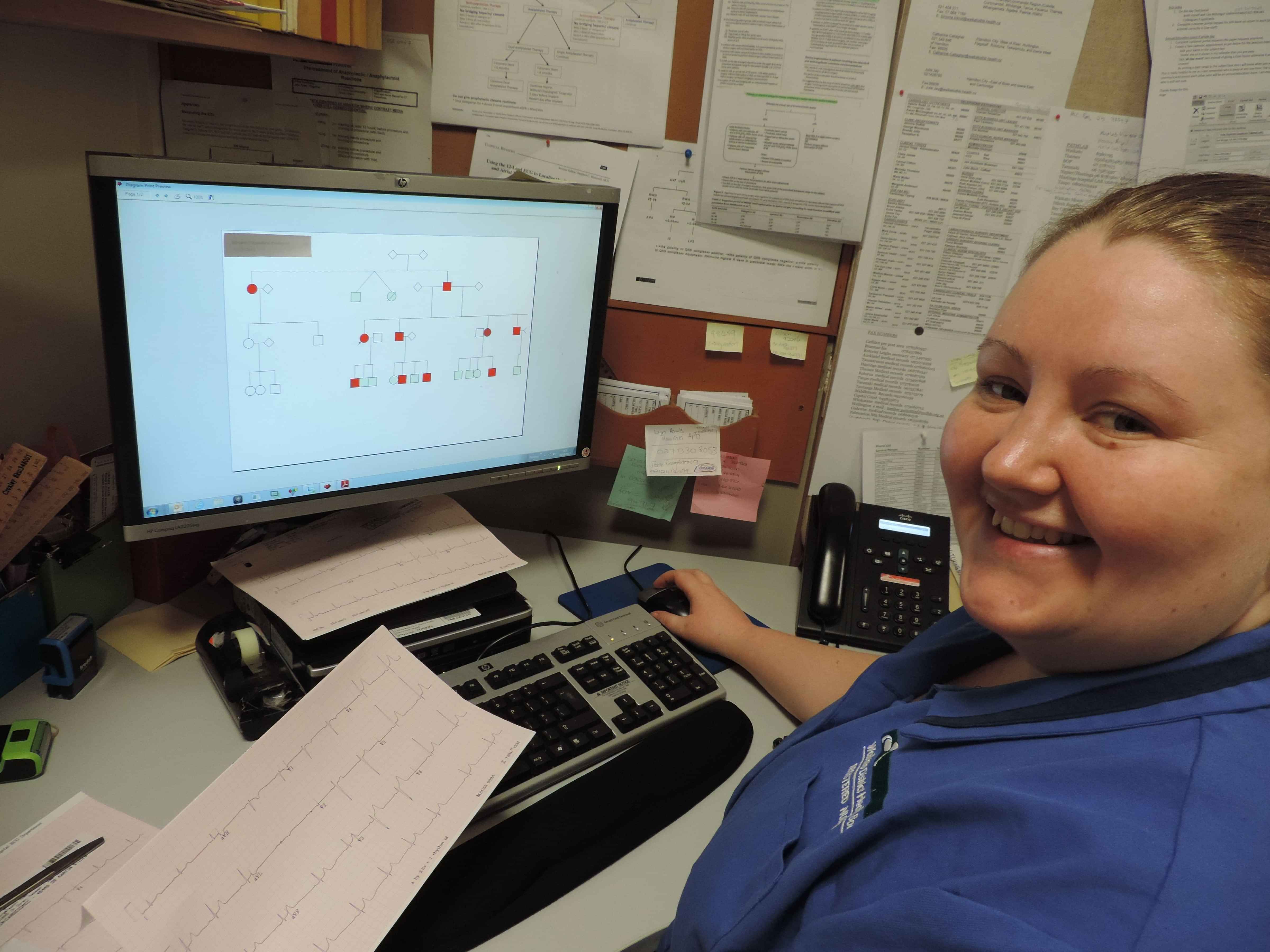
Inherited Cardiac Diseases Service
Sudden cardiac deaths, particularly in young people, can be due to genetic anomalies. Many of these patients have no symptoms. Tracing family histories of patients who have suffered sudden cardiac death will detect relatives who are potentially at risk. These at-risk individuals can undergo assessment, including possibly DNA testing. Where prevention strategies are possible, these are implemented.
In association with the DHB, Kids Can, and the Cardiac Inherited Diseases Group, The Heart Trust sponsored a family history database for the Midland region. Many lives have potentially been saved.
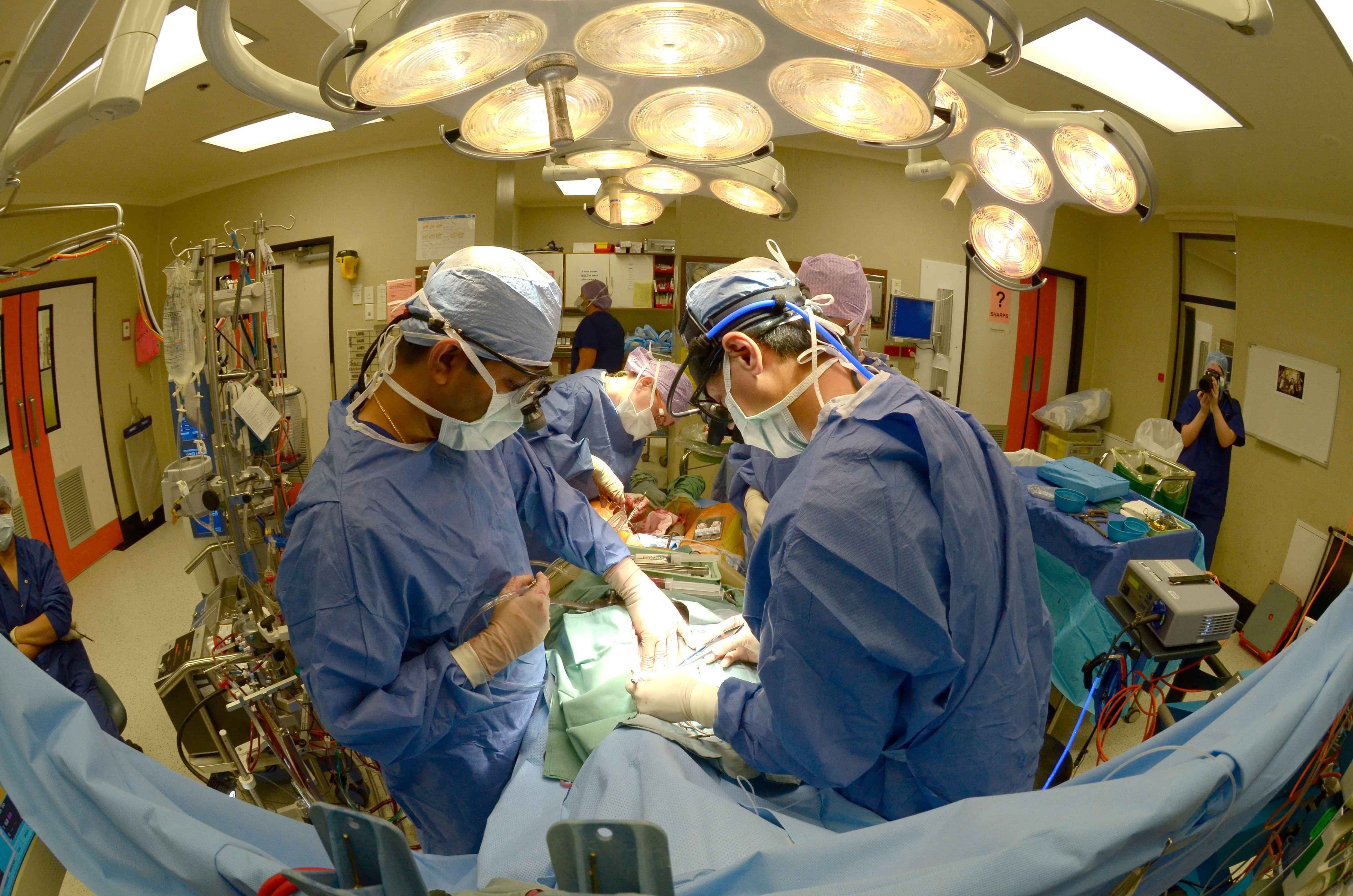
Cardiac Surgery and Coronary Angioplasty
The Heart Trust was established to bring cardiac surgery to Waikato Hospital, and in 1989 the first open-heart operation was performed. This laid the foundation for coronary angioplasty, with Waikato carrying out its first procedure in 1990 and later becoming the first centre in New Zealand to provide 24/7 primary angioplasty, saving countless lives across the Midland region.

Coronary Care (CCU) Monitoring
By the 1990s, Waikato Hospital’s CCU monitoring system was dangerously outdated, even catching fire at one point. Working with The Heart Trust, Dr Clyde Wade secured new monitors while the hospital funded a full refurbishment, recycling older equipment to keep critical services running. This partnership transformed the CCU, officially reopened by the Minister of Health in 1991, and set the model for future innovations.
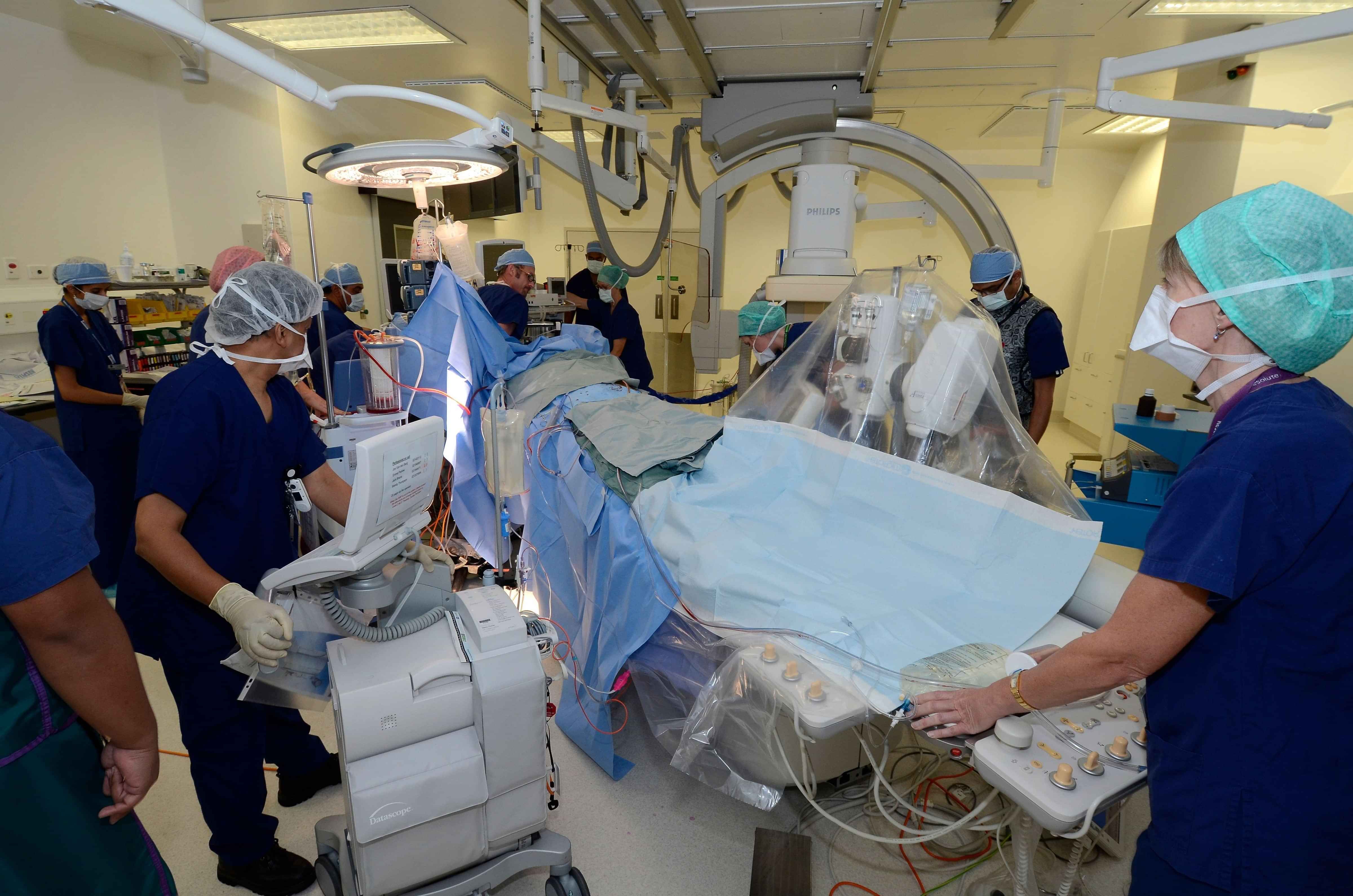
Combined ("Hybrid") Open-Heart and Angioplasty Procedures
One unexpected side effect of the TAVI programme was the realisation that there were opportunities for cardiac surgeons and cardiologists to perform procedures on some complex patients at the same time. At that time, new cardiac catheter laboratories were being built. Work was halted on one lab, while the design was changed to enable hybrid procedures to be carried out. The first hybrid procedure in Australasia was carried out at Waikato Hospital in 2014.
This lab remains in use for complex cases 11 years later. This would not have happened without The Heart Trust.
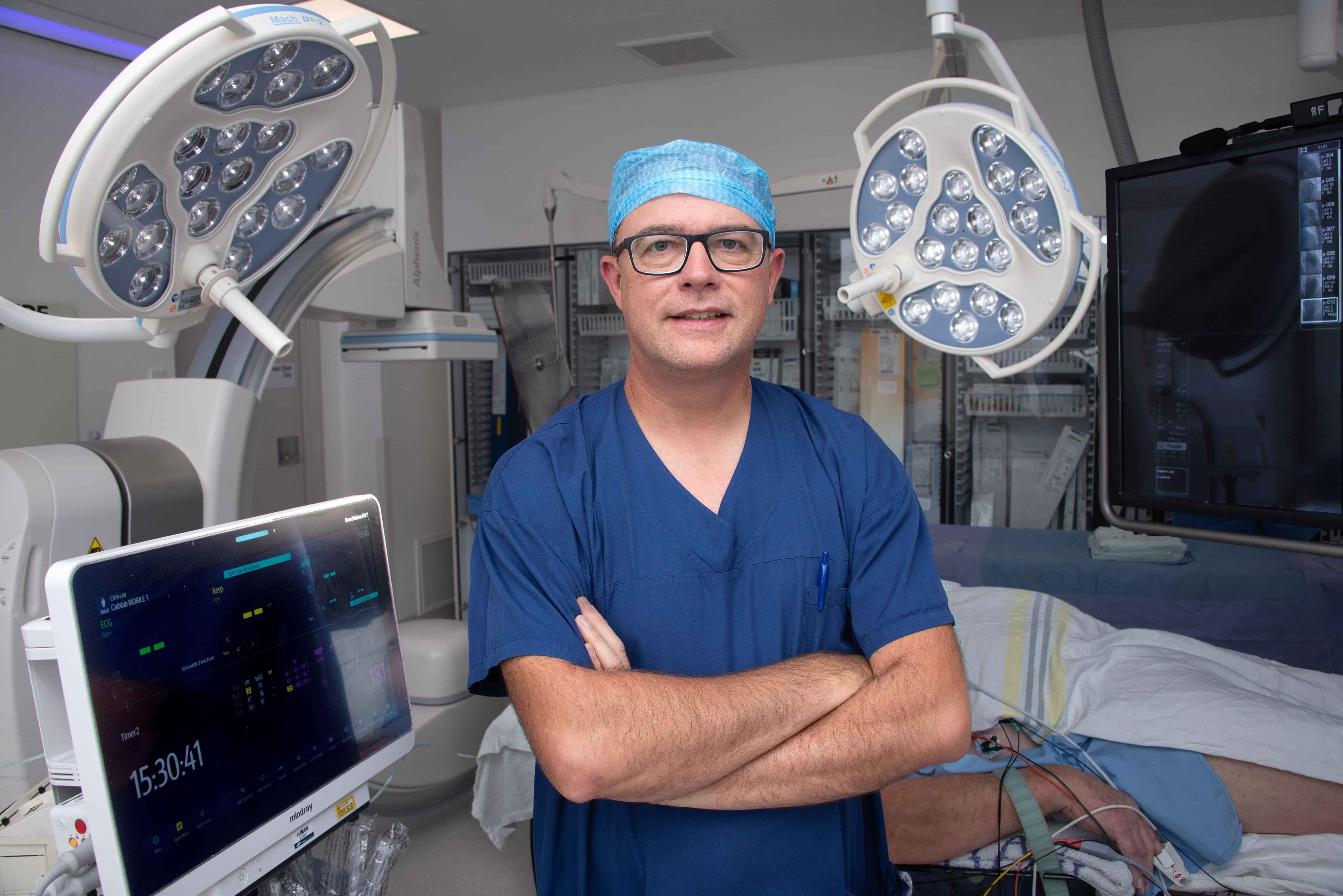
Recruitment of World-class Specialists
For over 40 years, The Heart Trust has helped Waikato Hospital attract world-class specialists by ensuring they have the equipment needed to deliver groundbreaking care. With the support of the Trust, Prof Martin Stiles established a leading centre for Electrophysiology and Ablation, and Dr Sanjeevan Pasupati introduced the pioneering TAVI procedure to New Zealand, transforming heart care across the Midland region.
Echocardiography
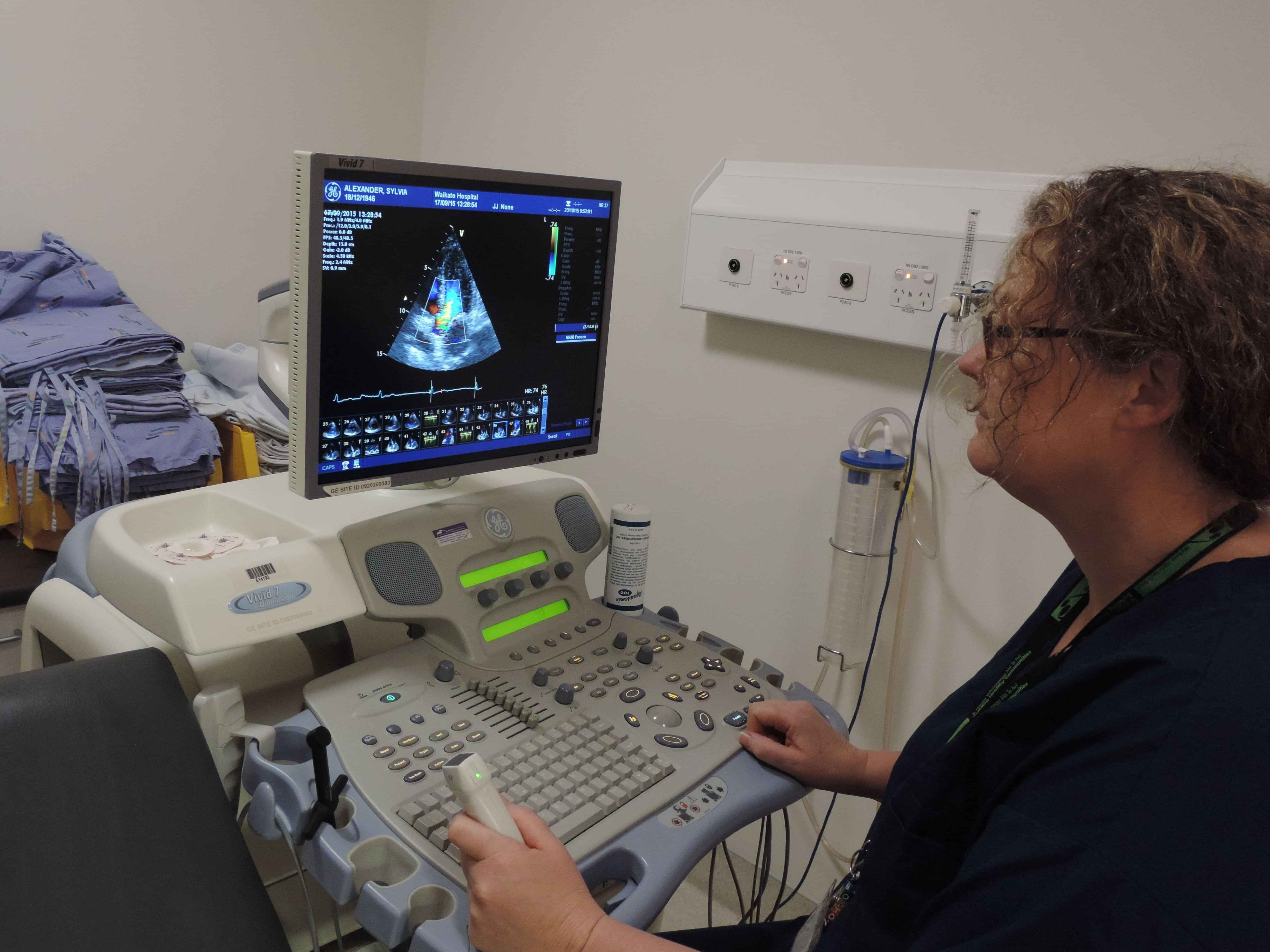
As part of The Heart Trust’s contribution to the development of cardiac surgery, The Trust provided one of the first two colour doppler echocardiograph machines. Two-dimensional echocardiography had been around since the 1970s and allowed, for the first time, images of the functioning heart muscle and valves to be seen without the need to put tubes in people’s hearts. The major advance in the 1980s was the ability to view the flow of blood through the heart using colour doppler. This is particularly useful for viewing leaking valves. Colour doppler echocardiography is part of the standard of care in cardiology today. The machines in use at Waikato Hospital today are the successors of the original machine provided by The Heart Trust in 1989.
Newborn Unit
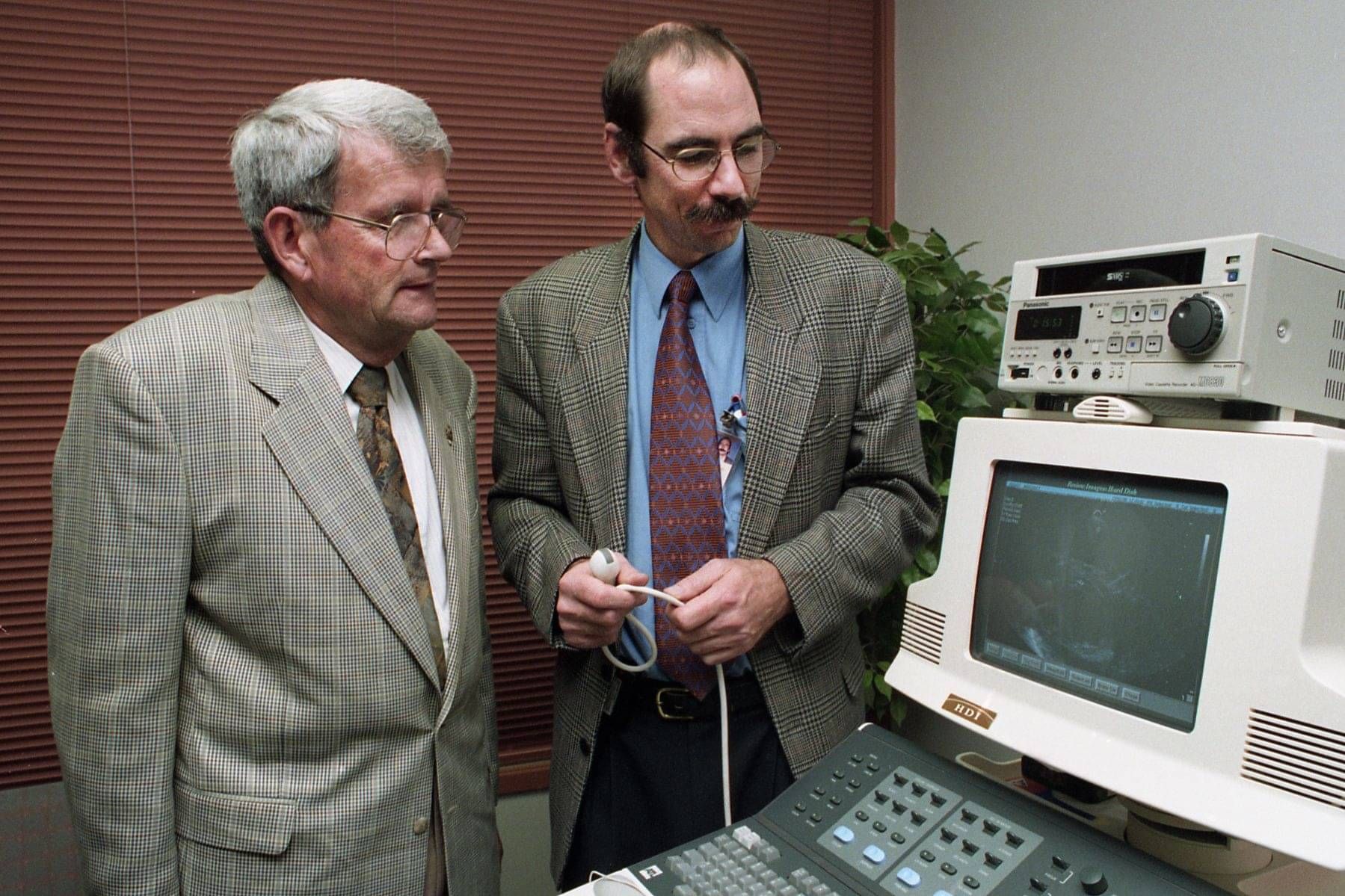
In 1998, the Heart Trust purchased an echocardiograph machine for the Neonatal Intensive Care Unit at Waikato Hospital. This machine was used for checking the hearts of all babies in the Neonatal intensive care unit, as well as checking cerebral blood flow in neonates.
Dr Phil Weston, Clinical Director Paediatrics: “The echo machine donated by The Heart Trust absolutely revolutionised our management of babies in the Neonatal unit. We used it every day for at least 12 years before the DHB replaced it with an updated version. Babies come to us from all over the Midland Region and often from other parts of NZ as well.”
Mannequin for Skills Centre Waikato Hospital
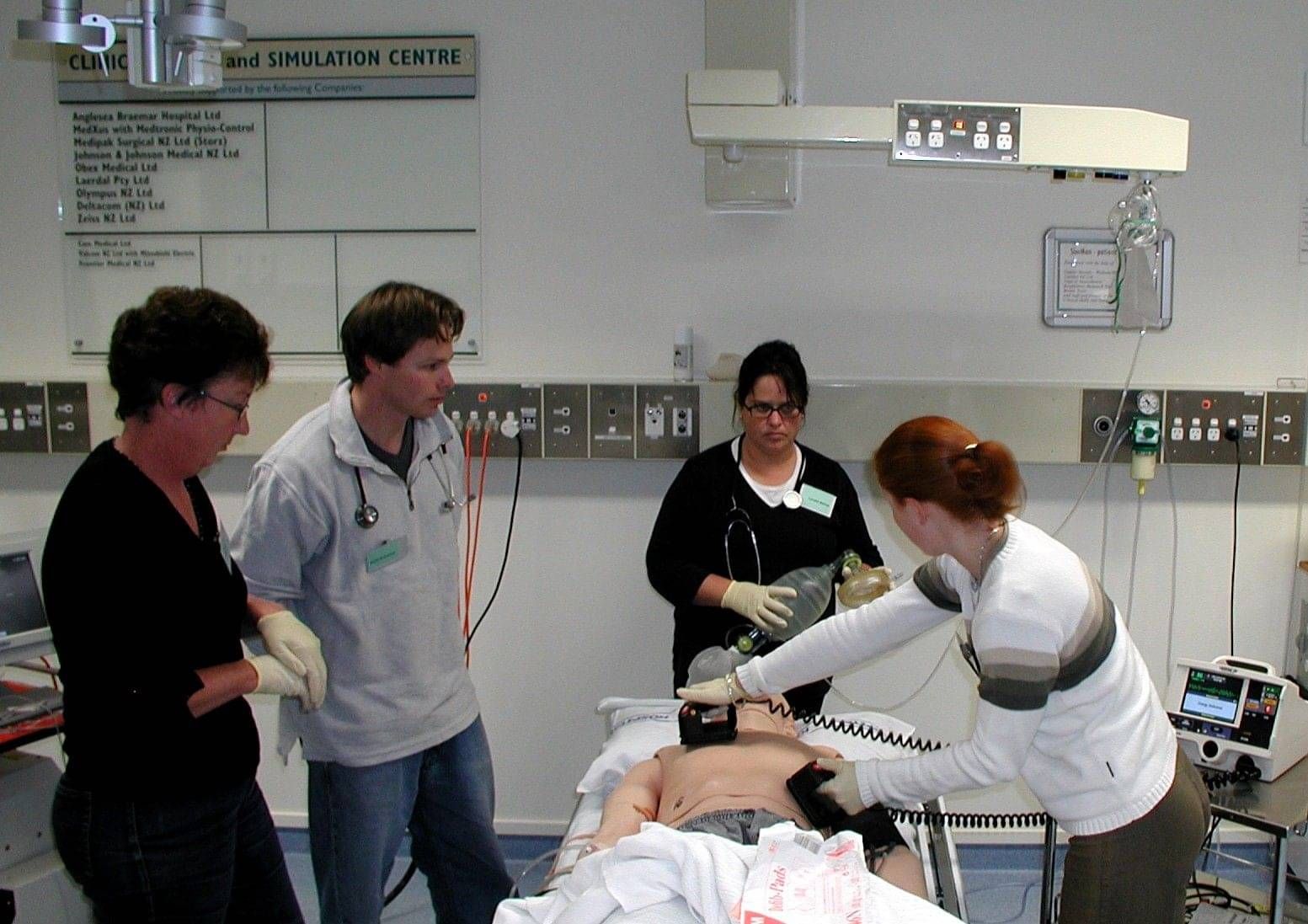
A lot of teaching of various practical skills in medicine is now done by simulation. The Heart Trust has provided a mannequin for the Skills Centre at Waikato Hospital. This mannequin is used for teaching advanced heart rhythm management.
Private Cardiology Services in Hamilton
While the principal beneficiary of The Heart Trust’s investments over the past 49 years has been Waikato Hospital, other hospitals in the region and their patients, private cardiology services have also benefited significantly. The availability of world-class equipment at Waikato Hospital has attracted world-class specialists to the region. A number of these specialists now also work in the private sector. All patients in the Midland region, whether public or private, who have had cardiac surgery, coronary angioplasty, TAVI, electrophysiology and ablation, pacemakers, echocardiography or ambulatory monitoring have benefited from the work of The Heart Trust.

Regional Hospitals
The presence of advanced technology at Waikato hospital, and an agreement between Waikato Cardiology and other regional hospitals such as Tauranga, Taranaki and Rotorua that cardiologists in those hospitals could come to Waikato with their patients and use advanced equipment, meant that these regional hospitals could recruit specialists with specific skills. Once a critical mass was achieved, those hospitals could start their own services.

Pacemakers
Pacemakers are advanced treatments for heart rhythm problems. The most common reason for needing a pacemaker is that the heart is going too slow due to problems with the heart’s electrical wiring. Pacemakers have become increasingly sophisticated over the last few decades, such that specialised pacemakers can detect and treat potentially fatal heart rhythm abnormalities by delivering shocks to restart the heart (“defibrillation”.) More recently, “biventricular” pacemakers are used to improve heart muscle function in some patients with poor heart muscle function.
The clinical skills for managing pacemakers are closely aligned to those of electrophysiology. The Heart Trust’s investment in electrophysiology equipment over very many years has meant that Waikato Hospital has been able to recruit top-flight electrophysiologists with consequent spin-offs for pacing.
Help us bring world-class heart care to your community
Every heartbeat matters
Since 1976, The Heart Trust has been at the forefront of improving cardiac care for over one million people across the Midland region, ensuring that life-saving technology, specialist expertise, and advanced treatments reach patients and families when they need it most.

Email: info@thehearttrust.org.nz
Phone: 027 391 5854
Address: 14 Horne Street, Hamilton 3204