Ambulatory Monitoring
Outpatient Monitoring
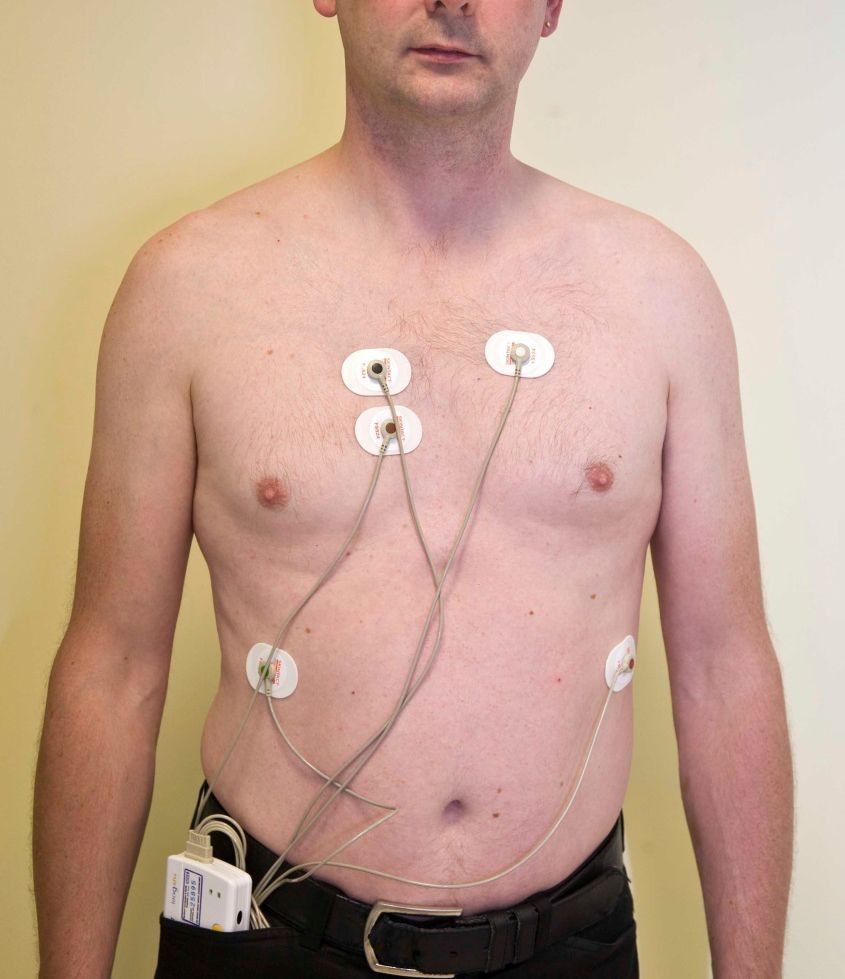
In 1979, the first equipment purchased by The Heart Trust for Waikato Hospital was a Holter Monitor system. The aim was to be able to diagnose heart rhythm problems.
The system consisted of 6 portable electrocardiograph tape recorders and an analyser. The recorders (about the size of a chocolate box) would record the patients’ heart rhythms for 24 hours during their normal activities at home or work. Once returned to the hospital, the taped recordings were analysed and a report provided to the cardiologist. Other hospitals were able to obtain recorders and send tapes to Waikato for analysis. Some of these additional recorders were provided by The Trust.
The successor to this system is now computerised, and recorders are digital and about the size of a large cell phone. Over 1000 patients a year are monitored.
Telemetry Monitoring
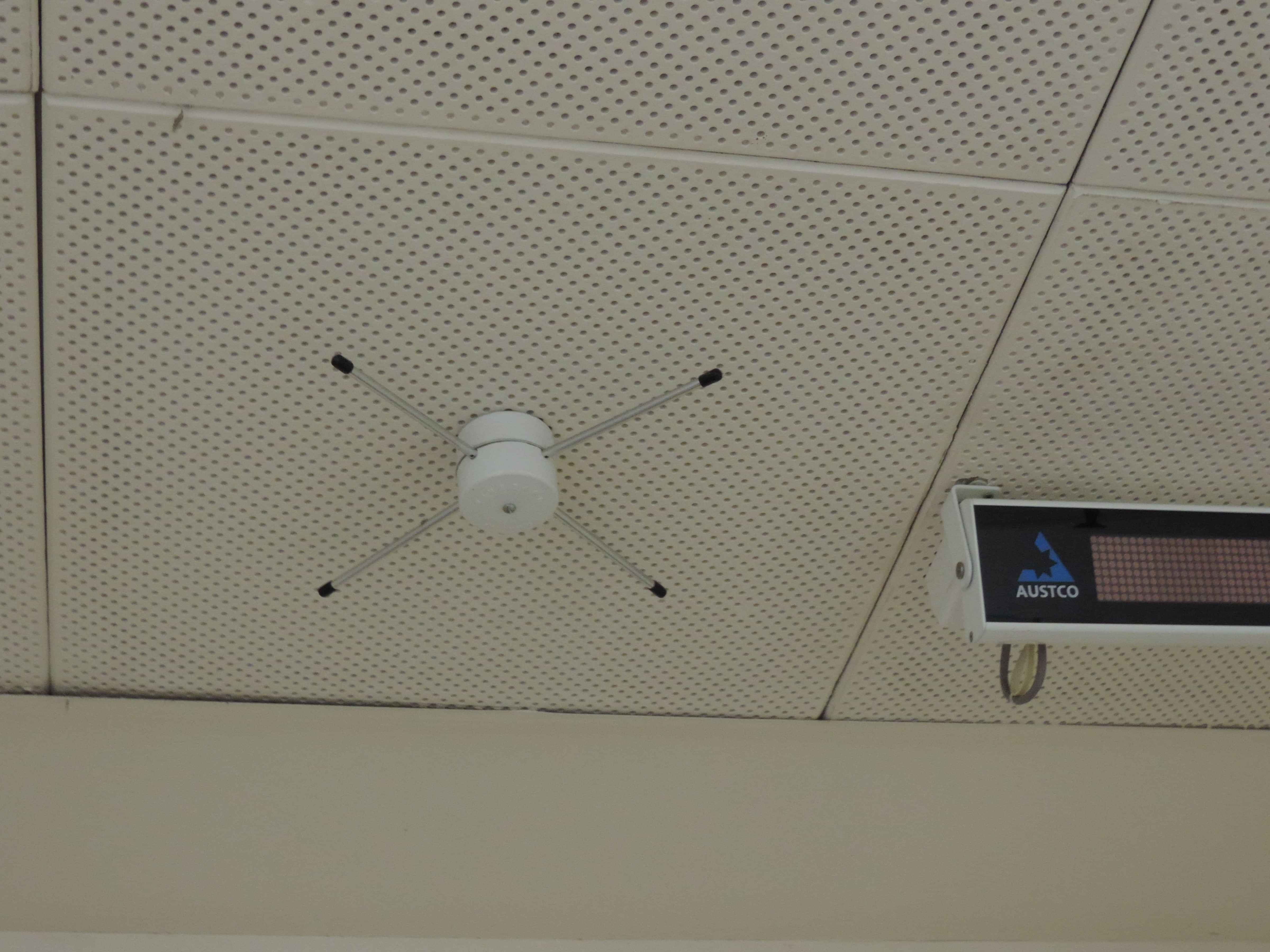
The fixed monitors in CCU were excellent, but of limited use if the patient was to be mobilised. The Trust’s second initiative, after the Holter system, was to install a telemetry system in the cardiac ward. Patients could wear a portable transmitter that sent the patient’s ECG back to the CCU nursing station via aerials in the corridors. The Heart Trust has funded several iterations of this system, with many patients in various wards of the hospital now being monitored in CCU. This system has been incredibly successful and saved many lives – patients have collapsed in other wards in the hospital, and the “crash” team from CCU has arrived in the ward before the staff on the ward were aware there was a problem. Aerials for the telemetry system can be seen in corridors throughout the hospital. The system monitors over 4000 patient days per year.

Email: info@thehearttrust.org.nz
Phone: 027 391 5854
Address: 14 Horne Street, Hamilton 3204