Recruitment of World-class Specialists
NZ health services are littered with examples of specialists being recruited with the promise of specialised equipment being purchased for their use. The specialist turns up, but the equipment doesn’t. The specialist leaves, and the hospital’s reputation lies in tatters – affecting future recruitment. The Heart Trust has worked with Waikato Hospital management over the past 40 years to make sure this doesn’t happen.
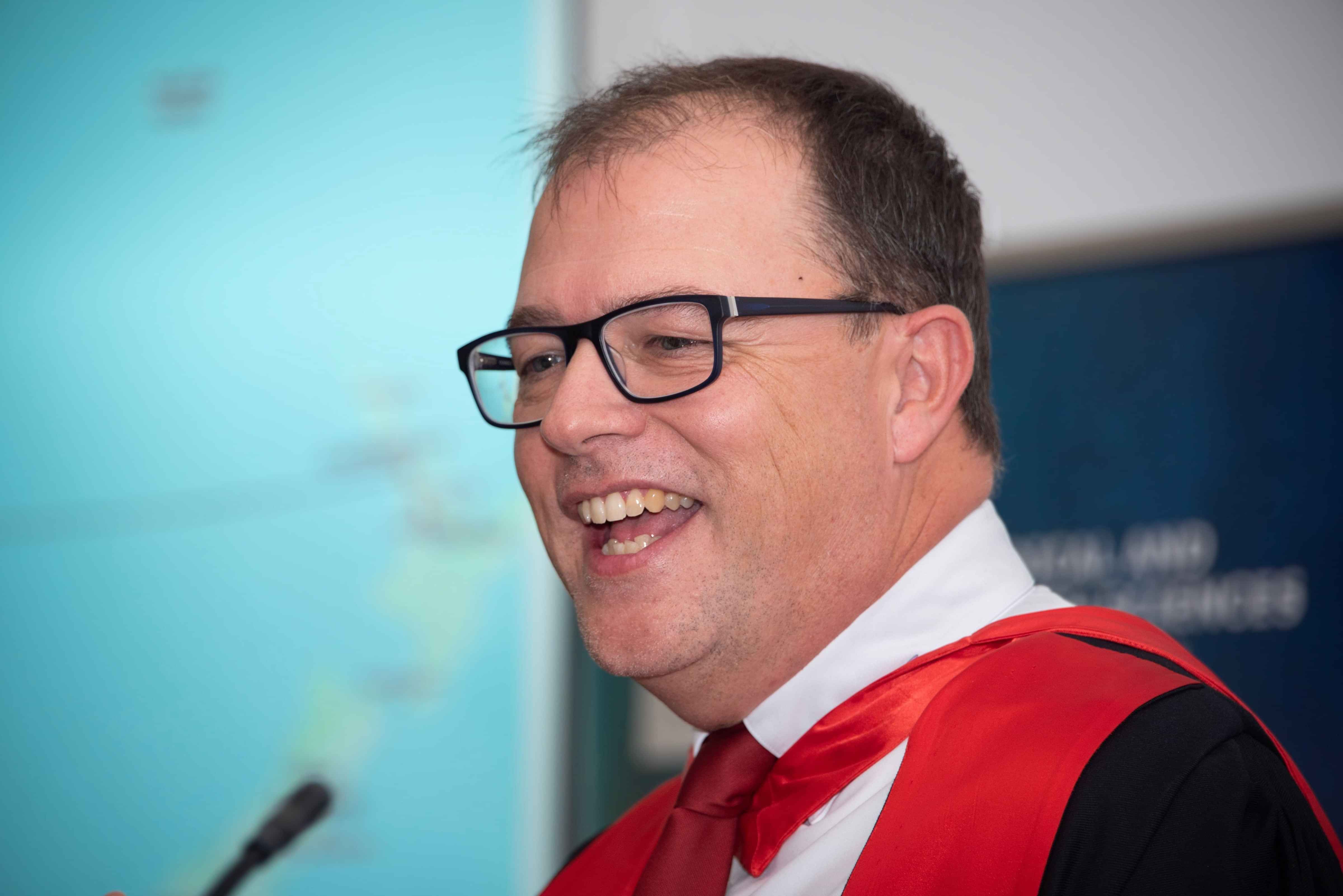
Prof Martin Stiles
Prof Stiles was born in Hamilton, worked as a junior doctor and trainee cardiologist at Waikato and Auckland and travelled overseas to undertake specialist training in electrophysiology – completing his PhD in Adelaide. Prof Stiles indicated a desire to return to Hamilton as a specialist in Electrophysiology and Ablation, but only on the condition that the hospital would guarantee to purchase cutting-edge Electrophysiology equipment. Waikato Hospital already had older EP equipment that had been purchased by The Heart Trust. The Heart Trust negotiated with the hospital management for a 50/50 share in purchasing upgraded equipment.
Prof Stiles has a worldwide reputation in electrophysiology and is involved in ground-breaking research into the use of pacemakers in heart failure. Prof Stiles presence at Waikato has attracted other specialists, so that patients in the Midland region now have access to one of NZ’s leading centres in Electrophysiology and Ablation. This would never have happened without the support of The Heart Trust.
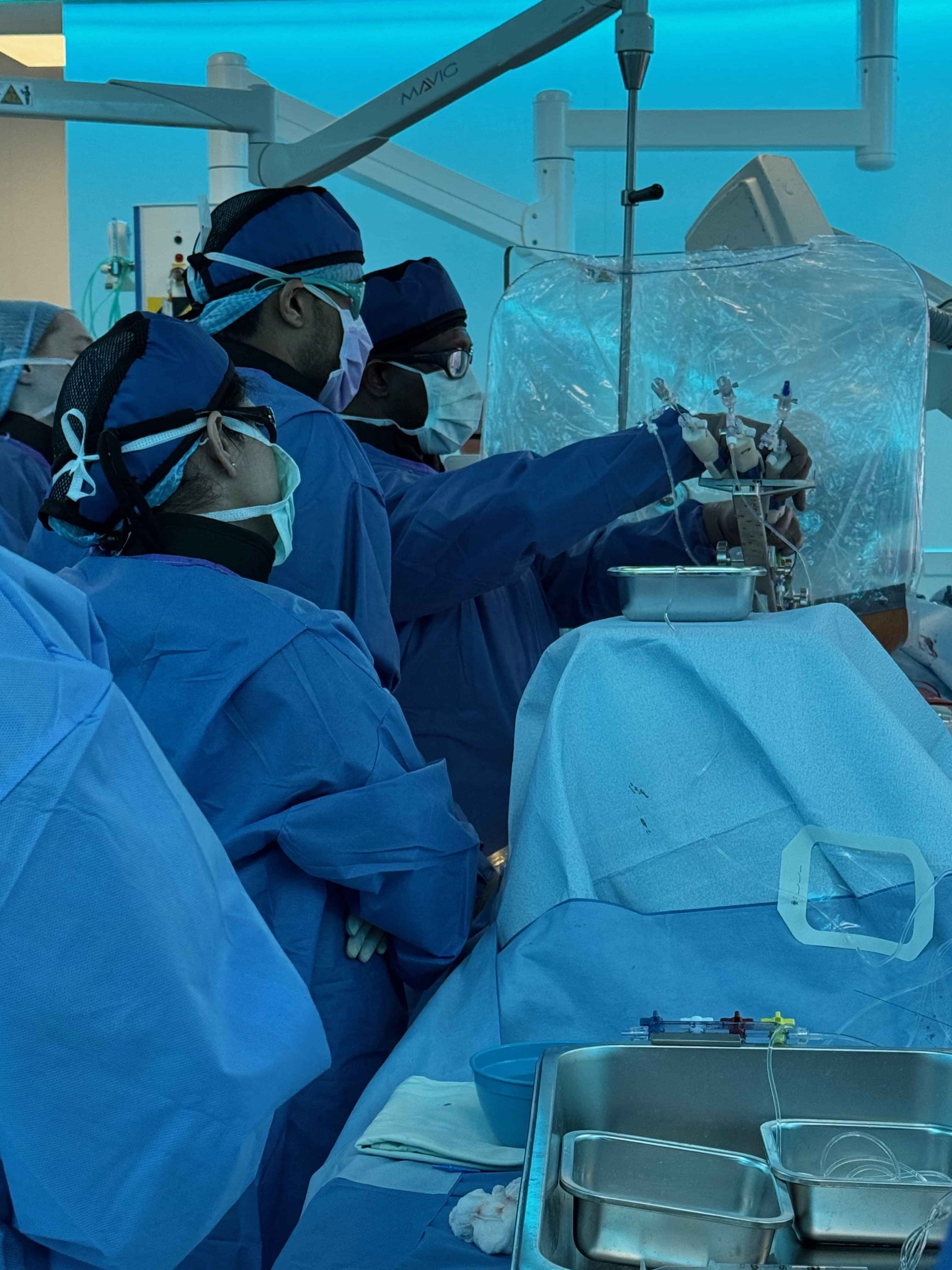
Dr Sanjeevan Pasupati
Dr Pasupati went to school in Te Kuiti and attended Auckland Medical School, working as a junior doctor and then a trainee cardiologist at Auckland Hospital. He undertook Training in Canada in the new procedure of TAVI (Trans Catheter Aortic Valve Implantation- inserting a new aortic through a vein in the leg). This procedure was not available in NZ, but many cardiologists believed it to be a major breakthrough.
Dr Pasupati indicated that he would be prepared to come to Waikato Hospital, but only if the hospital would guarantee to set up a TAVI program. While the procedure would use existing resources, the valves cost $40,000 each, which the hospital could not fund at that time. The Heart Trust approached the hospital with a proposal for a pilot study on 12 patients, with The Heart Trust paying for the valve itself and the hospital the other costs. The hospital would take over the program if the trial was successful. The rest, as they say, is history.
Dr Pasupati brought with him other skills such as septal ablation for HCM and device closure of holes in the heart.

Email: info@thehearttrust.org.nz
Phone: 027 391 5854
Address: 14 Horne Street, Hamilton 3204